The financial landscape is splitting into two distinct speed lanes. On August 20, 2026, the Federal Reserve revealed how US banking regulation splits between community lenders and mega-banks. Regulators hit Alabama-based SouthPoint Bancshares with a restrictive Written Agreement. Meanwhile, they released German titan Deutsche Bank from a decade-old enforcement action. This contrast shows how elevated interest rates create distress at the bottom of the banking pyramid.
The broader economy continues to navigate restrictive monetary policy. US GDP grew at an annualized rate of 1.5% in the second quarter of 2026. Meanwhile, inflation hovered near 3.5% due to supply chain pressures and AI infrastructure spending. High borrowing costs continue to trigger localized commercial defaults across regional commercial real estate and business loans.
Why did regulators freeze SouthPoint Bancshares? Poor credit risk management blew a massive hole in their balance sheet. The state-chartered bank operated 11 full-service branches following a 2022 merger with Merchants Bank of Alabama. However, the bank held an outsized $23.6 million loan exposure to the Pihakis Restaurant Group.
Restaurateur Nick Pihakis filed Chapter 7 bankruptcy with over $44 million in debt. His business held just $10.6 million in assets. That single $23.6 million loan wiped out over 20% of SouthPoint’s $115.8 million capital base. Deposit costs skyrocketed under the Fed’s 3.75% interest rate benchmark. SouthPoint hemorrhaged money, losing $10.45 million in 2025. Consequently, regulators barred SouthPoint from paying dividends, repurchasing shares, or issuing debt without written approval.
source: Wolfow
Shifting Paradigms in US Banking Regulation
In stark contrast, global systemically important banks are thriving on high net interest income. The Fed terminated its 2017 Cease and Desist Order against Deutsche Bank regarding foreign exchange rate-rigging. Deutsche Bank spent nearly a decade overhauling compliance infrastructure with automated, AI-driven surveillance systems.
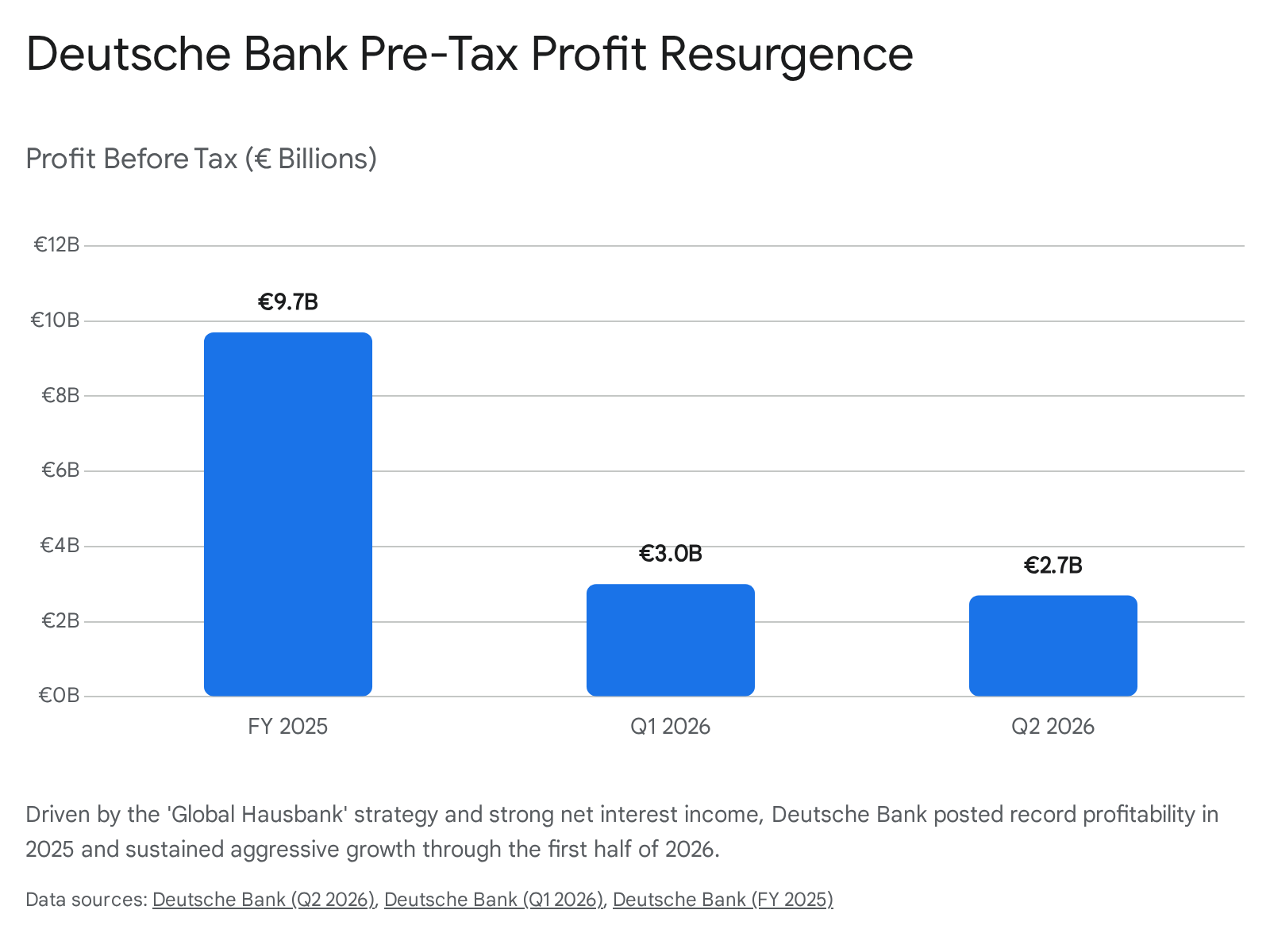
This regulatory relief accompanies record profitability for the German lender. CEO Christian Sewing reported a Q2 2026 post-tax profit of €1.9 billion. That followed a record 2025 profit before tax of €9.7 billion. The bank maintained a strong 13.9% CET1 capital ratio and launched a €500 million share buyback. However, Deutsche Bank still faces a $186 million fine over anti-money laundering compliance gaps.
This divergence mirrors recent structural shifts across global finance, such as the NatWest Stamford expansion. Global firms are pivoting toward strategic international growth while smaller domestic banks struggle with concentration risk.
Key Takeaways for Investors
- Concentration Risk Kills: Community banks face severe danger from concentrated loans in cyclical sectors like local dining.
- Focus on Capital: Modern US banking regulation prioritizes capital adequacy buffers over technical compliance red tape.
- Divergent Rates: A 3.75% federal rate yields record revenue for mega-banks while squeezing regional bank deposit margins.
- Compliance Remission: Mega-banks can remediate legacy misconduct orders through technology, though financial crime oversight stays strict.
Overall, regulators are directing examiner attention toward material financial risks and liquidity degradation. Smaller banks must adapt quickly or prepare contingency sales plans. You can review the complete enforcement context in the official Federal Reserve press release.