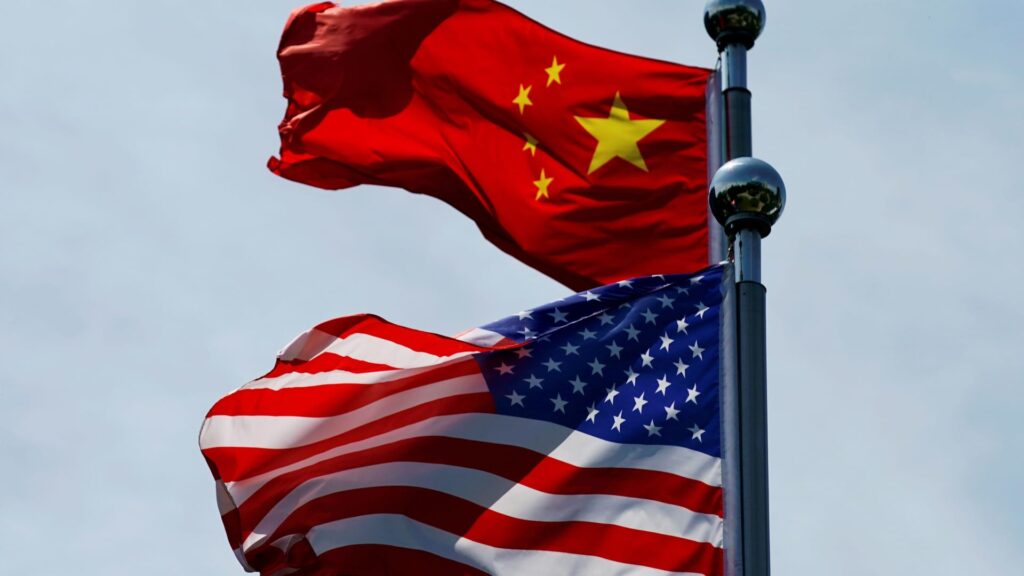
The U.S. Treasury Department unleashed a massive financial offensive against Iranian crude oil trade using draconian secondary sanctions. Code-named Operation Economic Outcast, this campaign targets foreign businesses trading with Tehran. The White House calls it an Economic D-Day, but the real target is Beijing. The Treasury aims to cut off Iran financial lifelines completely.
Navigating the Threat of Secondary Sanctions
Military strikes in early 2026 closed the Strait of Hormuz. This maritime choke point handles 25% of all seaborne oil shipments worldwide. Iranian forces launched asymmetric warfare, which prompted an official U.S. naval blockade.
The economic ripple effects were immediate and devastating:
- Iran lost approximately $500 million daily in blocked crude revenues.
- Rerouting cargo around Africa doubled voyage transit times to 50 days.
- Global freight costs surged from $5 to $11 per barrel.
- Red Sea shipping volumes dropped 61% due to ongoing regional conflict.
To handle these massive disruptions, central bank policy remains under intense pressure. You can read about the Fed rate divide to understand how monetary policy reacts to global energy shocks.
China Petro-Financial Resilience
China historically purchased 90% of all Iranian seaborne crude exports. Private Chinese refineries, known as teapots, process these heavy crude shipments inside Shandong province. However, Chinese imports of Iranian oil dropped 62% from peak levels. Volumes fell to 534,000 barrels per day in August 2026.
Furthermore, traditional Iranian crude discounts disappeared. Buyers now pay a $2 premium over Brent crude due to severe supply shortages.
source: Wolfow
To protect domestic banks against secondary sanctions, Beijing relies heavily on alternative payment infrastructure. China uses Project mBridge, a multi-central bank digital currency platform.
Here is how mBridge transforms international trade:
- It settles cross-border transactions instantaneously using direct digital yuan tokens.
- The system bypasses the U.S. dollar and Western clearing channels entirely.
- It has already cleared over $69 billion in international trade settlements.
The Bilateral Trade Summit and Market Impact
Washington faces a tough balancing act. Treasury Secretary Scott Bessent issued warnings, but the White House prepares for a crucial diplomatic summit. President Trump meets Chinese President Xi Jinping on September 24 in Washington.
Both superpowers want to extend the 2025 Busan Agreement. China controls 85% of global rare earth element processing. These critical minerals power American military jets and advanced artificial intelligence chips. Check out our detailed Nvidia earnings outlook to see how hardware producers rely on these supplies.
Surprisingly, global energy markets remain calm. Brent crude trades near $88 per barrel. Investors view the latest sanction threats as diplomatic leverage rather than an immediate shock. Meanwhile, the S&P 500 continues reaching record highs. Conversely, Iran economy faces extreme crisis. The Iranian rial collapsed to 1.37 million per U.S. dollar. For more context on these economic moves, see CNBC full coverage.