Wall Street is holding its breath for the upcoming Nvidia earnings outlook, but the story extends far beyond silicon chips. Nvidia is no longer just designing microprocessors. It is actively underwriting global energy infrastructure to keep its massive computational hardware running.
Macro Headlines and Fed Monetary Shifts
Macroeconomic conditions are creating a dynamic environment for high-growth technology stocks this quarter. Inflation is stabilizing, but sticky underlying numbers keep interest rates elevated across capital markets.
- Sticky Inflation Data: July Core PCE inflation rose 0.2% month-over-month, remaining locked at 3.3% annually.
- The Warsh Framework: Federal Reserve Chair Kevin Warsh abandoned rigid rate roadmaps, treating AI as a productivity-boosting supply shock.
- Geopolitical Energy Taxes: Conflict near the Strait of Hormuz keeps Brent crude near $87.70 per barrel, adding shipping costs.
- Index Weight Momentum: Blended S&P 500 earnings grew 50.4% in Q2, powered heavily by big tech capital investments.
While non-tech sectors adapt, like the Eli Lilly valuation surge in pharmaceutical markets, tech equities still drive overall market gains.
Power Grids and the Nvidia Earnings Outlook
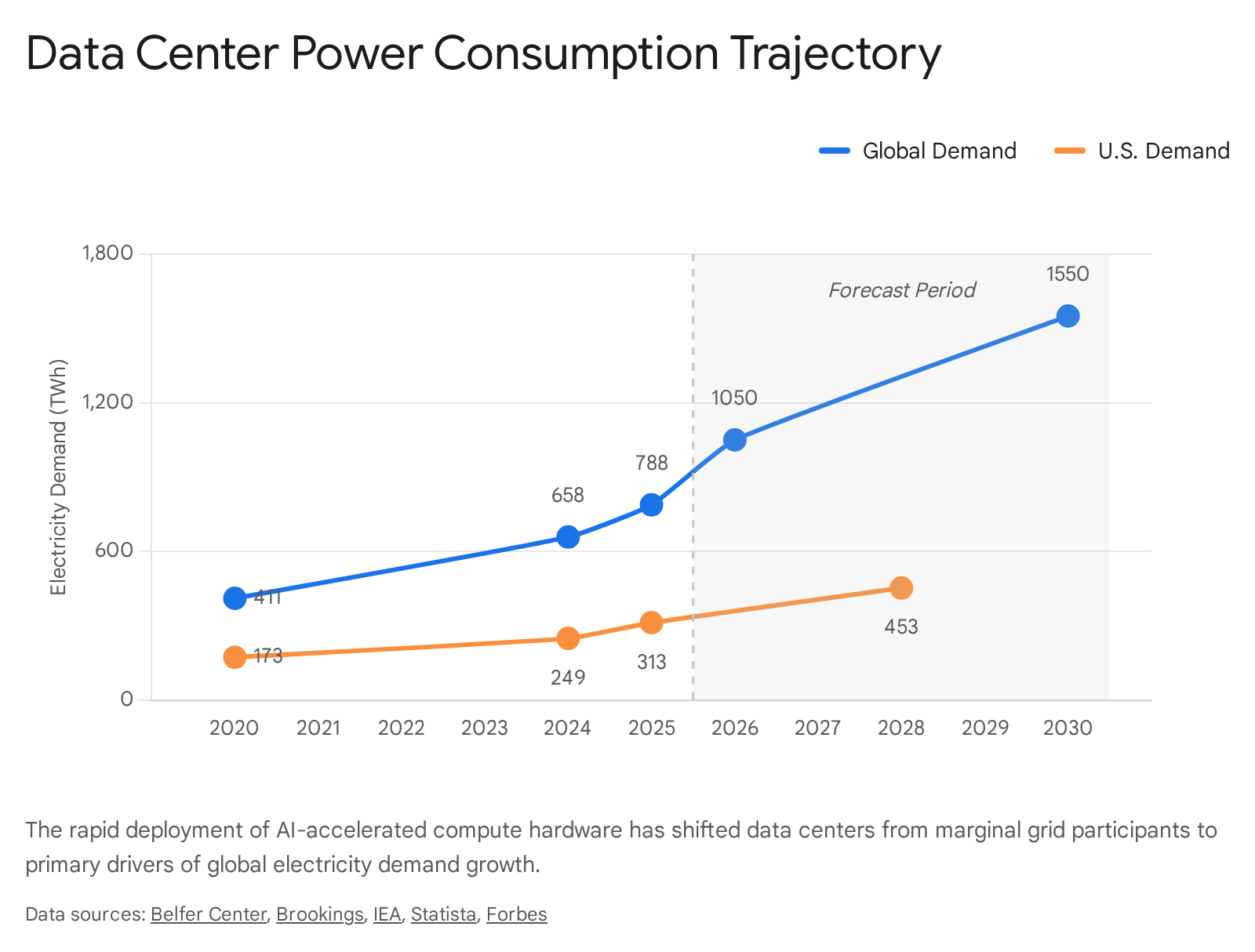
The primary bottleneck for artificial intelligence expansion is no longer microchip availability. It is physical electrical power. Data centers consume unprecedented energy, forcing hardware makers to engineer power solutions.
source: Wolfow
Investors reviewing the Nvidia earnings outlook must realize the company now acts like an energy utility financier. Nvidia backed SB Energy’s 8-gigawatt megacampus in Ohio with a $105 billion residual value guarantee for OpenAI. Concurrently, Nvidia partnered with private equity giants like BlackRock to build a $500 billion GPU credit platform. Furthermore, new warm-water liquid cooling eliminates mechanical chillers. This reclaims up to 40% of facility power directly for computational hardware.
Institutional Moves and Surprising Valuation Metrics
Wall Street institutions are debating valuation levels as Nvidia scales its core data center revenues.
- Staggering Revenue Targets: Consensus estimates call for second-quarter revenue between $91.85 billion and $92 billion, representing 96% annual growth.
- Slowing Relative Momentum: Analyst Louis Navellier gave Nvidia a C grade due to slowing percentage growth rates.
- Institutional Divergence: Vanguard added over one billion shares, whereas hedge funds like Coatue trimmed holdings to manage concentration risk.
- Attractive PEG Multiple: Nvidia trades at a forward P/E near 35, but its PEG ratio sits around 0.30. This sits 77% below its historical median.
The Bottom Line for Market Investors
Nvidia now dictates broader equity market direction. AI infrastructure companies generated nearly half of all index profit growth this quarter. Ultimately, this Nvidia earnings outlook shows that AI expansion depends on securing real-world electricity. If management guides third-quarter revenue past $104 billion, the broader technology rally will continue uninterrupted.