The U.S. economy just hit a major speed bump, leaving the Federal Reserve scratching its head in confusion. On August 7, 2026, the labor market served up a cold dish of reality that sent Wall Street’s interest rate models straight into the shredder.
The Cold, Hard Labor Math
Forget the modest gains analysts were hoping for this summer. The U.S. economy unexpectedly shed 23,000 jobs in July, marking the first monthly decline in payrolls since early February.
While the headline unemployment rate technically ticked down to 4.1%, don’t let that fool you. That drop was entirely driven by 264,000 discouraged Americans throwing in the towel and exiting the workforce.
- Local Education: Dropped 50,000 jobs.
- Leisure & Hospitality: Shed 40,000 jobs as consumers tightened their belts.
- Retail Trade: Lost 19,400 positions, showing retail exhaustion.
- Healthcare & Construction: Added 22,000 jobs each, providing a tiny silver lining.
The September Hike That Wasn’t
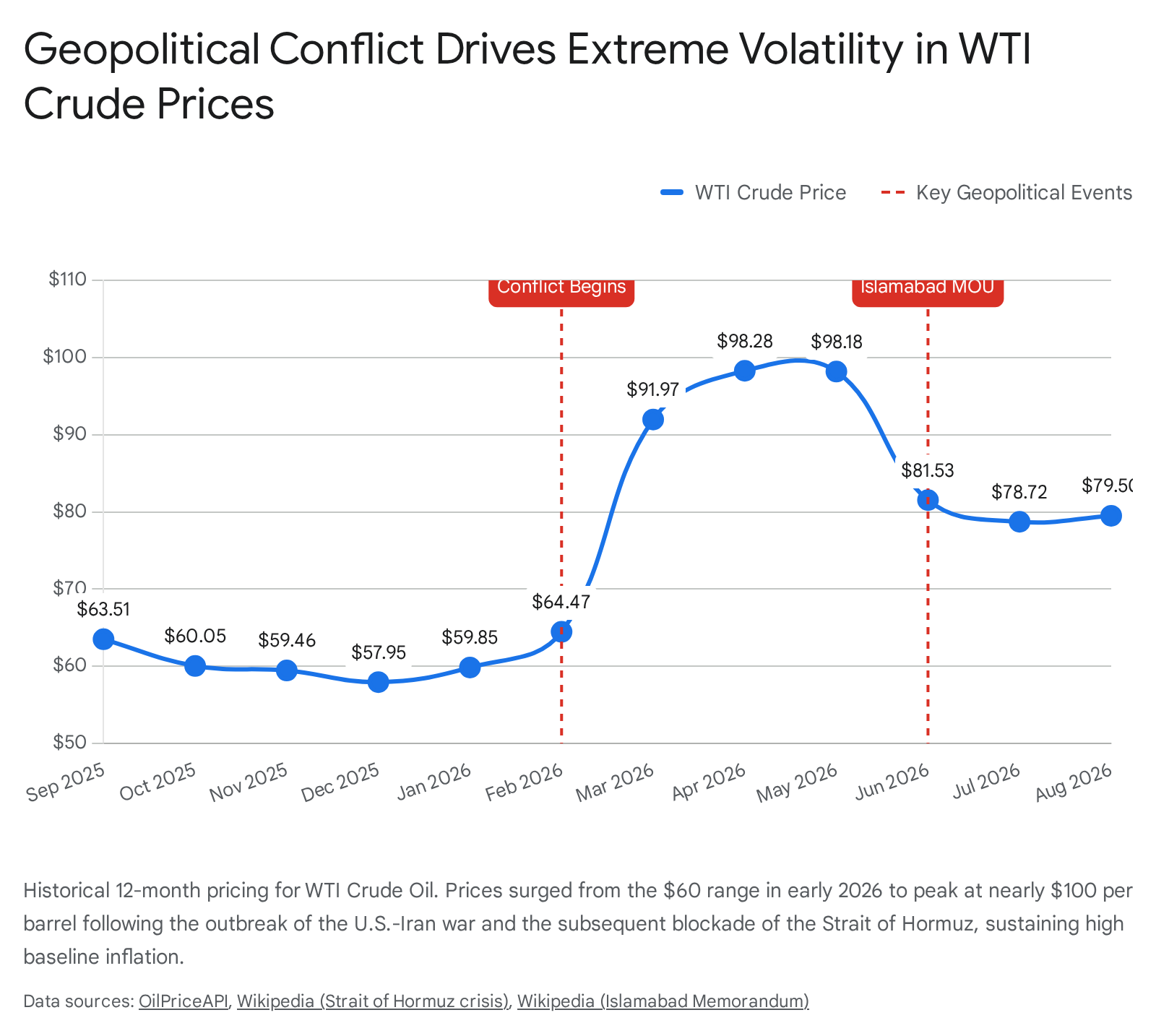
Before this report dropped, stubborn inflation fueled by the U.S.-Iran war had everyone bracing for a September rate hike. Now, those hawkish dreams have evaporated into thin air.
According to market pricing, the odds of a Fed hike in September have tumbled as prediction markets price in a whopping 65% chance of a hold. It turns out even the most aggressive central bankers cannot ignore a shrinking job market.
source: Wolfow
War, Helium, and Your Next Tech Upgrade
While the job market cools, supply-side inflation remains blazing hot due to the ongoing U.S.-Iran conflict. Despite the short-lived Islamabad peace memorandum, renewed military strikes have kept energy prices uncomfortably high.
To make matters worse, a silent crisis is brewing in the technology sector due to severe resource shortages. Drone strikes on Qatar’s Ras Laffan facility wiped out 30% of the world’s semiconductor-grade helium.
- Helium Spot Prices: Up 40% to 100%, halting global chip progress.
- PCB Resins: Saudi facility disruptions pushed printed circuit board prices up 40%.
- Bromine Shipments: Structural delays from Israel and Jordan crippled essential chemical chains.
Kevin Warsh Deletes the Playbook
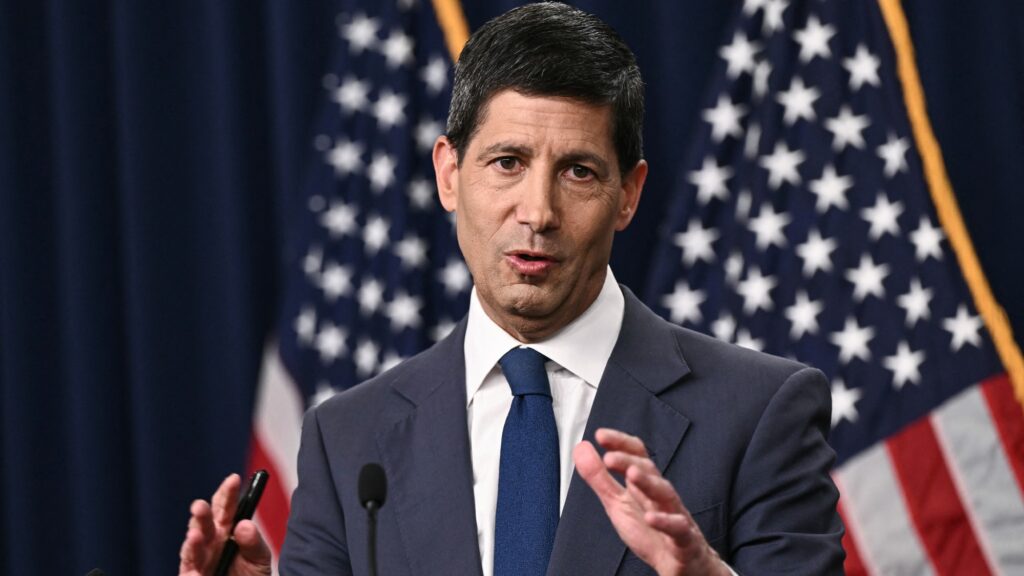
Steering this chaotic ship is the newly appointed Fed Chair, Kevin Warsh, who replaced Jerome Powell after a dramatic political storm. Warsh has wasted no time throwing out the traditional central banking playbook.
He has completely eliminated the famous dot plot and ended the era of hand-holding forward guidance. Now, Wall Street must watch the market’s raw signals rather than expecting the Fed to spoon-feed them direction.
The Bottom Line
Warsh is betting big that an upcoming AI productivity boom will naturally defeat this stagflationary monster. However, with the physical chip supply chain currently blockaded in the Middle East, that savior might be late to the party.